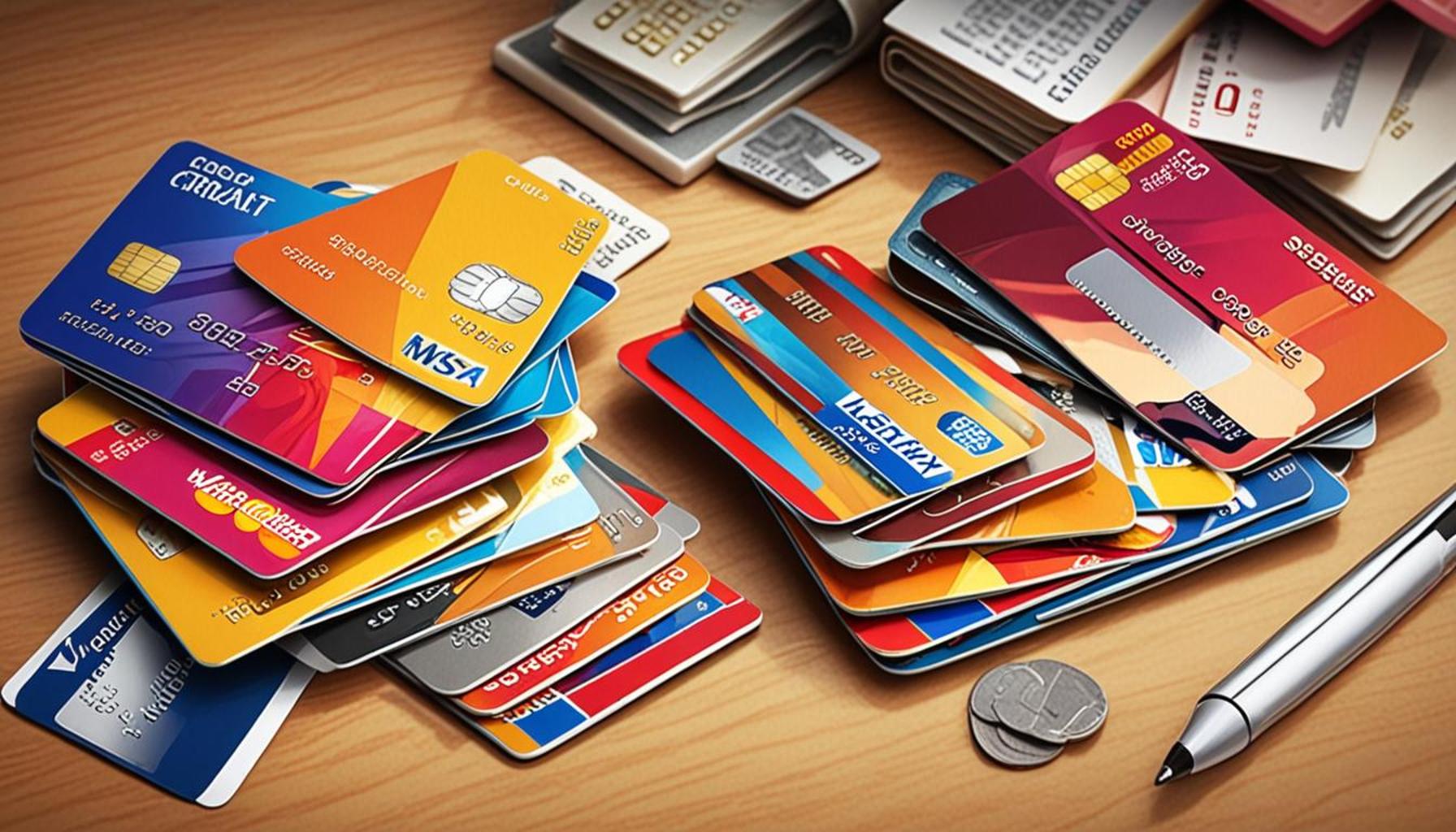
The Effects of Using Credit Cards on Long-Term Financial Health
The Transformation of Financial Management
In today’s rapidly evolving financial landscape, credit cards are not just tools for spending; they are integral components of a digital revolution that is reshaping how we interact with money. With the proliferation of sophisticated technology, consumers can now leverage these financial instruments to enhance their purchasing power, manage budgets more effectively, and build credit histories like never before. Yet, this newfound convenience is accompanied by consequences that require careful navigation.
Convenience and Impulsive Spending
At the heart of credit card usage is the convenience they offer. The swipe of a card or a few taps on a smartphone can facilitate transactions instantly, whether purchasing groceries, booking travel, or subscribing to services. This ease of use, however, can lead to impulsive spending, where consumers make unplanned purchases without fully considering their financial implications. For instance, with the rise of mobile wallets and contactless payments, the barrier to spending is lower than ever. This access might result in enjoying lifestyle inflation, where individuals find themselves purchasing luxuries instead of necessities, ultimately impacting their long-term financial health.
Impact on Credit Scores
Credit cards have a dual role when it comes to credit scores. On one hand, responsible usage of credit cards—such as maintaining a low balance relative to the credit limit and making regular, on-time payments—can significantly enhance one’s credit score. This improvement can open doors to better interest rates on loans or even favorable terms on mortgages, which are vital for major investments. Conversely, misuse, including late payments or maxing out credit limits, can lead to plummeting scores. For example, a missed payment of even 30 days can have a lasting impact, making it essential for consumers to manage their credit responsibly.
Avoiding Debt Accumulation
The convenience of credit cards does not come without risks, particularly concerning debt accumulation. High-interest rates can compound quickly, leading to a cycle of debt that many find difficult to escape. According to recent statistics, the average American household carries over $16,000 in credit card debt. This situation underscores the necessity for proactive financial strategies, including setting a monthly spending limit and utilizing budgeting apps that incorporate AI to track expenses and identify trends, empowering consumers to stay ahead of their financial obligations.
The Future of Financial Management
As we delve deeper into a digital future, the implications of credit cards are set to expand even further. Emerging technologies like artificial intelligence and blockchain are revolutionizing how we perceive financial security and management. With AI-driven financial advisors becoming more accessible, individuals can receive personalized strategies tailored to their financial goals, promoting smarter credit card usage and debt management. This shift demonstrates the growing potential to transform credit cards from potential traps into tools for financial empowerment and literacy.
In conclusion, the usage of credit cards transcends simple transactions; it’s a glimpse into the future of financial engagement. As we navigate this digital era, the integration of technology within financial management presents us with both opportunities and challenges. Understanding these nuances will be key to fortifying our financial futures while embracing the exciting innovations that lie ahead.
DISCOVER MORE: Click here to enhance your budgeting skills
The Balancing Act of Convenience and Responsibility
As the landscape of personal finance evolves, credit cards have emerged as powerful tools that can either build or hinder long-term financial health. The allure of using credit cards lies not only in the convenience they offer but also in the potential benefits they bring when managed wisely. However, the intricacies of credit card usage necessitate a considered approach, as the line between responsible management and financial pitfalls can be incredibly thin.
The Double-Edged Sword of Rewards Programs
One of the most enticing aspects of credit cards is the range of rewards programs available to consumers. These programs can offer cash back, travel rewards, and discounts on purchases. For financially savvy individuals, utilizing rewards effectively can amplify their spending power without incurring debt. Nonetheless, this strategy often tempts users to make purchases based solely on the potential for rewards, leading to unnecessary expenses that can accumulate remarkably quickly. To navigate this landscape, consumers should consider the following:
- Evaluate Needs vs. Wants: Assess whether the items being purchased for rewards align with essential needs.
- Understand Reward Structures: Familiarize yourself with how points accumulate and when they can be redeemed for maximum value.
- Monitor Spending Patterns: Use tools and apps to track expenditures influenced by rewards, ensuring they don’t push the spending limit beyond control.
The Role of Technology in Financial Stewardship
The integration of technology into personal finance management is revolutionizing how consumers approach credit card usage. __Budgeting applications and financial literacy platforms using innovative technologies allow individuals to monitor their spending in real time and receive tailored advice. These advancements have the potential to cultivate better financial behaviors, paving the way for enhanced long-term health. For instance, AI-driven financial assistants can:
- Provide Spending Alerts: Send notifications when you are nearing your monthly credit card limit.
- Suggest Budget Adjustments: Analyze past spending and offer actionable recommendations for future budgeting.
- Forecast Financial Trends: Use data analytics to predict future income and spending patterns, enabling better financial planning.
The Psychological Implications of Credit Utilization
The psychological effects of credit card usage cannot be overlooked. Many consumers exhibit a phenomenon known as “credit card aversion,” where the misuse of credit cards can induce stress and anxiety about personal finances. Alternatively, those who responsibly manage credit utilization experience enhanced feelings of financial security and empowerment. Understanding the mental triggers associated with spending can guide users in making more informed choices. Emphasizing mindfulness in financial transactions can transform the credit card experience from one of temptation to one of empowerment.
In summary, while credit cards can enhance financial flexibility and provide various rewards, users must remain vigilant about their financial health. The implications of credit card usage stretch far beyond immediate gratification; they influence long-term financial stability. By leveraging technology, understanding rewards, and maintaining a mindful approach to spending, consumers can navigate the complex world of credit cards and emerge with healthier financial futures.
DISCOVER MORE: Click here to learn how to apply
Embracing Innovation for Enhanced Financial Literacy
As technology continues to reshape the landscape of personal finance, emerging innovations in financial literacy promise to empower consumers to make informed decisions regarding credit card usage. With platforms that specialize in educating users about effective credit management, individuals now have unprecedented access to resources that can significantly improve their understanding of credit scores, debt management, and overall financial health. This evolution is crucial, especially in a country where approximately 60% of Americans lack a basic understanding of how credit works.
The Gamification of Financial Education
One groundbreaking trend in the financial sector is the gamification of financial education. Apps like *Mint* and *Khan Academy* are adopting game-like elements to teach users about budgeting, saving, and credit use. By making financial education more engaging and approachable, these platforms help users navigate the credit card landscape with confidence. Users are rewarded for completing lessons or achieving savings milestones, thereby creating a sense of accomplishment and motivation to improve financial literacy.
Moreover, the incorporation of interactive tools allows consumers to simulate various financial scenarios, such as the impact of increased credit card usage on their long-term financial goals. By visualizing potential outcomes based on their actions, users can better appreciate the significance of responsible credit utilization as an integral part of sustainable financial health.
The Rise of Blockchain Technology in Credit Assessment
Blockchain technology is heralding a new era in financial services and credit assessment. Traditional credit scoring models can be opaque, often leaving users in the dark about how their creditworthiness is evaluated. The advent of blockchain allows for a more transparent and secure method of tracking credit history. By creating immutable records of credit behavior, consumers not only have more control over their data but also gain access to a fairer assessment process.
Startups like *Bloom* and *Self* utilize this innovative technology to give users the ability to build their credit scores through responsible financial behavior on their terms. By engaging with decentralized platforms, individuals can jumpstart their credit history and potentially access lower interest rates, thereby enhancing their long-term financial health.
Social Responsibility and Community Approaches to Financial Wellness
Another exciting development is the emergence of community-focused financial wellness programs. Initiatives that link individuals seeking financial literacy with mentors—such as financial advisors or even peers who have successfully navigated debt repayment—can foster a sense of shared responsibility in financial health. This community-driven approach encourages collaboration and idea exchange, allowing individuals to learn from each other’s experiences while receiving personalized guidance on credit card management. Innovative platforms such as *Neighborly* and *Benevolent* connect individuals looking to improve their financial literacy within their communities, further supporting the notion that personal finance is not just an individual journey but a collective responsibility.
As the digital transformation of finance accelerates, understanding the multifaceted impacts of credit card usage becomes paramount. With enlightening innovations leading the charge in financial education and credit assessment, consumers are poised to navigate their financial futures with increased confidence and stability. These advancements not only enhance the credit card experience but also signify a cultural shift towards holistic financial wellness that emphasizes responsible management for long-term security.
DISCOVER MORE: Click here to learn how to apply
Looking Ahead: The Future of Credit Card Usage and Financial Health
In conclusion, as the financial landscape continues to evolve, it is imperative for consumers to grasp the profound effects of credit card usage on their long-term financial health. With advancements in technology, particularly in financial literacy, the barriers that once hindered responsible credit management are being dismantled. The gamification of financial education and innovative tools such as blockchain are transforming the way individuals understand and interact with credit. These developments provide new opportunities to empower users, ultimately fostering a culture of informed financial decision-making.
Moreover, the rise of community-driven initiatives amplifies the notion that financial wellness is both a personal and collective journey. As individuals learn from each other and share resources, they can navigate the complexities of credit card management more effectively. The shift towards transparency and accountability in credit assessments is also a promising sign, allowing consumers to build and maintain credit in a fairer manner.
However, the future of credit card usage must also emphasize caution and responsibility. Consumers should remain vigilant about their spending behaviors, understanding that while credit cards can offer convenience and rewards, mismanagement can lead to detrimental effects on their financial health. Embracing the innovations available today ensures that individuals are better equipped to harness the benefits of credit cards while safeguarding their financial futures. By prioritizing education and community engagement, there is a bright horizon ahead for achieving sustainable financial wellbeing.

Linda Carter
Linda Carter is a writer and financial expert specializing in personal finance and financial planning. With extensive experience helping individuals achieve financial stability and make informed decisions, Linda shares her knowledge on our platform. Her goal is to empower readers with practical advice and strategies for financial success.