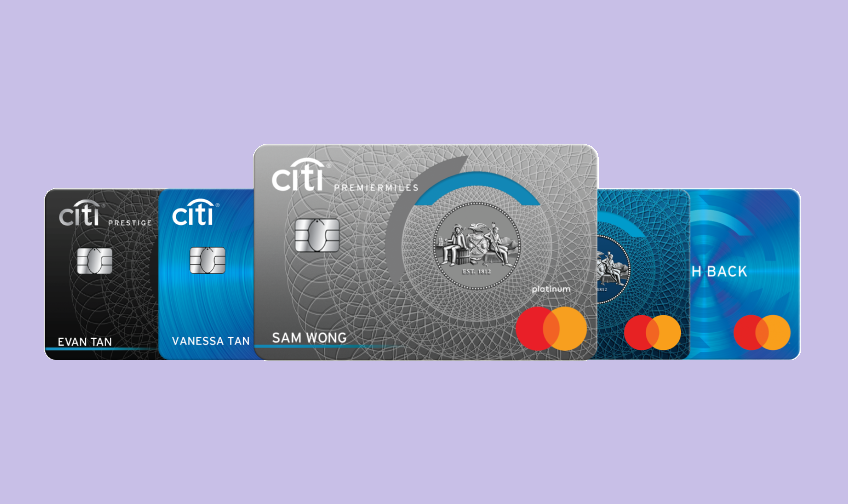
Credit Cards for Students: Building a Credit History from a Young Age

Understanding the Landscape of Credit for Students
In today’s fast-paced digital age, the emphasis on establishing a solid credit history has never been more crucial. For students, laying down a positive credit foundation can dramatically influence their future financial opportunities, setting the stage for a successful adult life. This journey into credit management is now easier, thanks to the innovative tools and resources at their disposal, reshaped by technological advancements.
Innovative Credit Card Options for Students
The financial sector has reacted to the needs of young adults by creating tailored credit card options specifically designed for students. These products come equipped with features that not only promote financial literacy but also ensure a safe and manageable introduction to credit. Here are some notable characteristics:
- Low Credit Limits: Many student credit cards start with modest credit limits, curbing the tendency to overspend while still allowing users to build their credit history. This mitigates risks and helps students learn about responsible credit use without the danger of incurring overwhelming debt.
- Rewards Programs: Numerous credit cards offer rewards such as cash back on purchases or points redeemable for travel, groceries, or entertainment. These incentives encourage students to use their cards regularly and responsibly, further solidifying positive credit behaviors.
- No Annual Fees: With financial pressure prevalent among students, many credit cards come with no annual fees. This makes it feasible for students to start building their credit score without additional costs right from the outset.
The Digital Revolution in Banking
The rise of digital banking has transformed how students manage their finances. Mobile banking apps allow for real-time monitoring of their accounts, enabling users to track expenses effortlessly. These user-friendly applications often feature budget tools and insights into spending habits, which can foster smarter financial decisions. For instance, receiving spending alerts directly on their smartphone can prompt students to reevaluate their purchase decisions before they swipe their card.
Engaging with these digital platforms also encourages students to stay vigilant about their credit scores, with many apps offering credit score tracking services. Understanding their credit score helps students recognize what influences their ratings, such as payment history, credit utilization, and the length of their credit history. Armed with this knowledge, they can make informed decisions that positively impact their scores.
Long-Term Benefits of Establishing a Strong Credit History
As students navigate the complexities of credit, the long-term benefits of responsible management become clear. Establishing a strong credit score can lead to:
- Lower Interest Rates: With a solid credit history in place, students can access loans at lower interest rates, significantly reducing the cost of borrowing over time.
- Increased Approval Odds: A good credit standing improves the likelihood of approval when applying for mortgages, car loans, or other significant financial products, opening doors that were once closed.
- Greater Financial Independence: Ultimately, building a solid credit foundation empowers students to make major life choices with confidence, providing a sense of financial freedom as they transition into adulthood.
As students embark on this critical journey towards financial responsibility, embracing the latest technologies and understanding the principles of credit management emerges as paramount. With these tools and insights, they are not only preparing for their future but advancing toward financial independence and success.
EXPLORE MORE: Click here for practical budgeting strategies
The Evolution of Student Financial Tools
As the financial landscape undergoes dramatic shifts with the rise of technology, students are now more empowered than ever before in managing their personal finances. This shift is especially apparent in how credit cards are marketed and tailored to meet the unique needs of young adults. The emergence of student credit cards represents an innovative response to a generation eager to establish a credit history while balancing educational expenses.
One of the most significant advancements in this realm is the intuitive design of credit card platforms that prioritize ease of use and accessibility. Many card issuers have embraced mobile-centric solutions, providing apps that allow students to monitor their balances and transactions at the touch of a button. These streamlined interfaces often come equipped with features that promote financial literacy, guiding users through their first experiences with credit in a user-friendly manner.
Embracing Gamification and Educational Features
In a bold move to engage the younger audience, many financial institutions have adopted gamification elements within their credit card offerings. These features promote responsible credit use by turning financial education into an interactive experience. By earning points or badges through responsible use—like making timely payments or keeping utilization low—students can feel more invested in their financial journeys. This innovative approach transforms the often daunting world of credit into an exciting exploration of financial empowerment.
- Instant Approval and Setting Limits: Many student credit cards provide instant approval features, allowing young applicants to receive credit lines within minutes. These cards also frequently offer the opportunity for users to set their spending limits, giving them better control over their finances.
- Cash Back on Essentials: A growing number of student credit cards feature cash back on everyday purchases, such as textbooks, dining, or school supplies. This feature not only incentivizes responsible spending but also helps students save money in the long run.
- Financial Education Resources: The digital platforms often provide a wealth of educational resources, including budgeting tools, insights into building a strong credit history, and advice on avoiding common financial pitfalls. This knowledge is invaluable in helping students navigate the complexities of their financial lives.
Revolutionizing Credit Management
The convergence of technology and finance known as FinTech has brought forth solutions that revolutionize credit management. Students can now access credit score simulators and calculators through mobile apps, allowing them to see how different financial decisions can influence their credit standing. This level of engagement with their own credit data empowers students to make proactive choices, fostering a sense of ownership over their financial futures.
Moreover, artificial intelligence is increasingly being integrated into the consumer lending experience. For instance, some credit cards now use AI to analyze spending patterns, offering personalized insights and recommendations to help students develop positive habits. This futuristic approach not only enhances learning but also encourages healthy credit behaviors from the outset.
As students navigate the exciting yet challenging landscape of credit, it is evident that the innovations sweeping the financial sector are fundamentally empowering. With these advanced tools at their fingertips, young adults are poised to embark on a journey toward not just building a credit history but achieving lasting financial success and independence.
LEARN MORE: Click here for insights on risk management in M&A
The Impact of Social Media and Online Communities
As the digital age continues to reshape communication and information sharing, social media platforms have emerged as significant influencers of financial literacy among students. These platforms not only serve as spaces for connection and collaboration, but they also provide a wealth of information regarding financial products and credit management strategies. Social media influencers are increasingly leveraging their platforms to demystify credit cards and personal finance, engaging a younger audience with relatable content that speaks directly to their concerns and aspirations.
For instance, platforms like TikTok and Instagram feature financial educators who share bite-sized advice on topics such as maximizing credit card rewards, understanding credit scores, and the importance of timely payments. By breaking down complex financial concepts into digestible segments, these creators help cultivate a culture of financial awareness. This form of peer-to-peer learning resonates with students, providing them with the valuable knowledge needed to navigate their financial journeys.
Utilizing Technology for Personalized Financial Insights
The rise of sophisticated data analytics has also revolutionized the way credit card companies interact with their customers. Machine learning algorithms can analyze users’ spending habits in real-time, offering personalized recommendations that enhance the customer experience. For instance, some credit cards now provide tailored alerts, reminding students of upcoming payment deadlines or suggesting budget-friendly alternatives for their regular purchases. Such features can alleviate some of the anxiety often associated with managing personal finances, empowering young adults to take ownership of their credit health.
This personalized approach extends beyond mere reminders. Innovative tools integrated into credit card apps can simulate various financial scenarios, allowing students to visualize the impacts of certain credit decisions. This forward-thinking capability not only enhances students’ understanding of credit management but also equips them with practical skills for financial success. For instance, students can experiment with different payment strategies, assess how quickly they could pay off a balance, or explore the effect of making larger payments on their credit utilization ratio.
A Community-Driven Approach to Financial Health
In tandem with social media’s impact, the emergence of community-driven finance platforms has established new avenues for peer support and shared learning. Many students find value in forums and online groups where they can discuss their experiences, strategies, and challenges related to credit card use. These platforms often serve as safe spaces for students to ask questions, seek advice, and share success stories, thereby reinforcing the collective learning experience.
Credit unions and neobanks are actively engaging with students to create tailored financial communities that align with their interests and lifestyles. By hosting webinars, workshops, and discussion panels focusing on credit literacy, these organizations bridge the gap between youthful curiosity and comprehensive financial knowledge. These collaborative efforts not only foster a sense of belonging among students but also create an empowered generation equipped to navigate the intricacies of credit.
As technology continues to revolutionize the finance sector, students have unprecedented access to resources that enable informed financial choices. The combination of gamification, social media engagement, personalized insights, and community support forms a robust environment that promotes sustainable financial habits. By harnessing these advancements, students can confidently embark on their journey of building a strong credit history from a young age, setting the stage for a financially secure future.
DON’T MISS: Click here to avoid common budgeting pitfalls
Looking Ahead: The Future of Credit for Students
As we move deeper into the digital age, the landscape of personal finance is undergoing a seismic transformation. For students, this means that building a credit history from a young age has never been more accessible or engaging. The interplay of technology with social media is creating robust ecosystems for learning and support, paving the way for informed financial decisions that can shape a secure future.
With tools that personalize financial insights, students can now track their spending habits, set goals, and experiment with various credit strategies right from their smartphones. These innovations empower young individuals to not only understand credit management but also to actively participate in their financial journeys, eliminating fears associated with credit misuse. Concurrently, the sense of community fostered by online forums and educational workshops fosters an engaging environment where students can share knowledge and experiences.
Ultimately, the emphasis on financial literacy among today’s youth reflects a cultural shift toward making financial responsibility a priority from an early age. As financial technologies continue to evolve, students are poised to leverage these resources, cultivating strong credit histories that will serve as a bedrock for their future economic endeavors. By embracing these advancements, they can unlock opportunities that go beyond mere financial transactions, ensuring a future equipped with knowledge, confidence, and the ability to navigate an increasingly complex financial landscape.